"Is there water under my land, and how deep?"
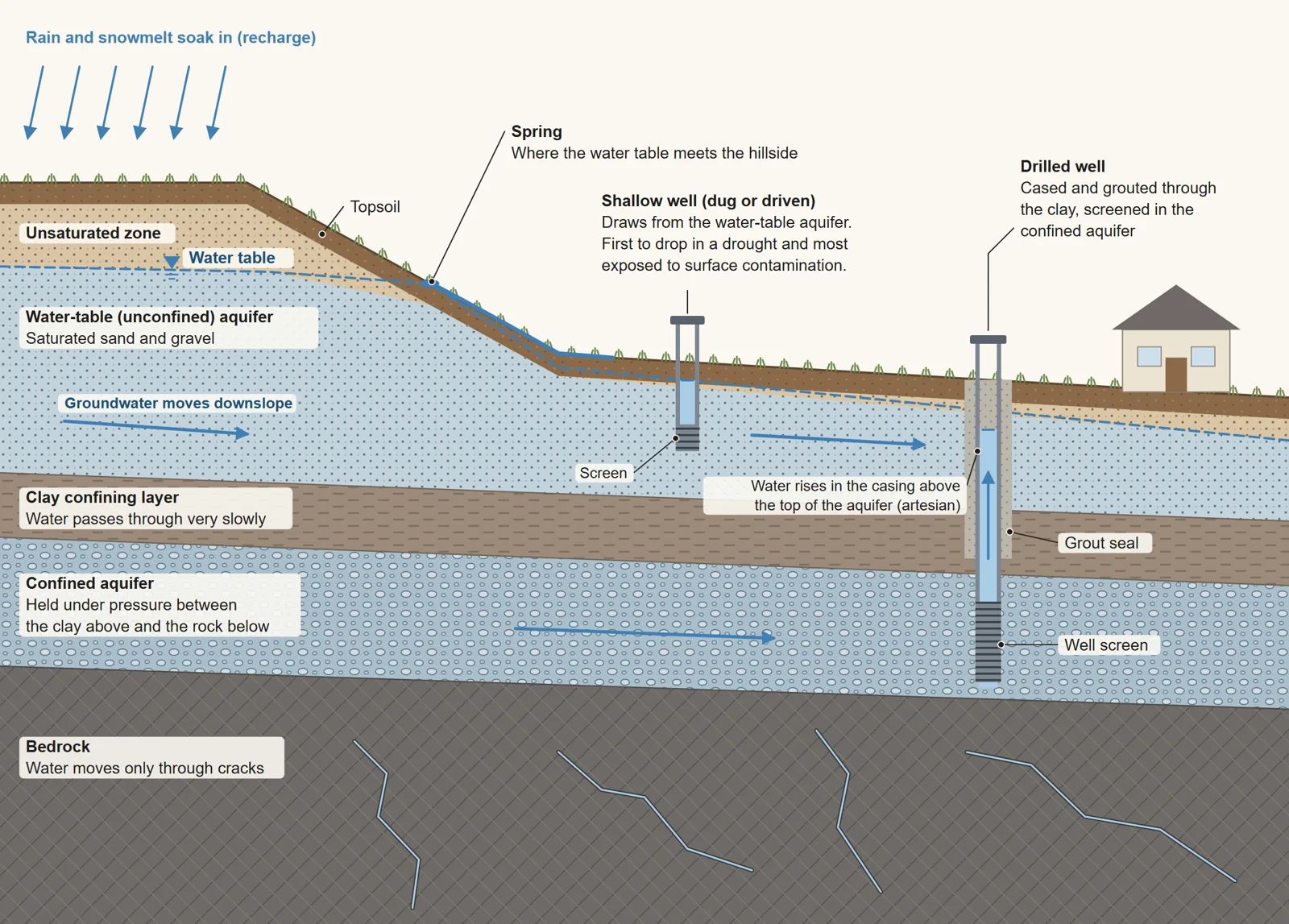
Learn to pull your neighbors' well logs for free, read what the land is telling you, and take the one-page test that tells you which road fits your property before you spend a dime.
Find the water under your land, get it out of the ground yourself where you can, hire a driller the smart way where you can't, and keep your well running for decades.

"There's probably water down there." "It's probably the pump." "You'll probably have to go deeper." Every one of those sentences comes with a bill, and the person saying it is usually the one sending it.
Most of what the trade knows about water isn't secret. It's written down in state well records, extension service guides and EPA and CDC publications. Nobody ever put it in one place, in plain English, for the person who owns the land. This book does.
Learn to pull your neighbors' well logs for free, read what the land is telling you, and take the one-page test that tells you which road fits your property before you spend a dime.
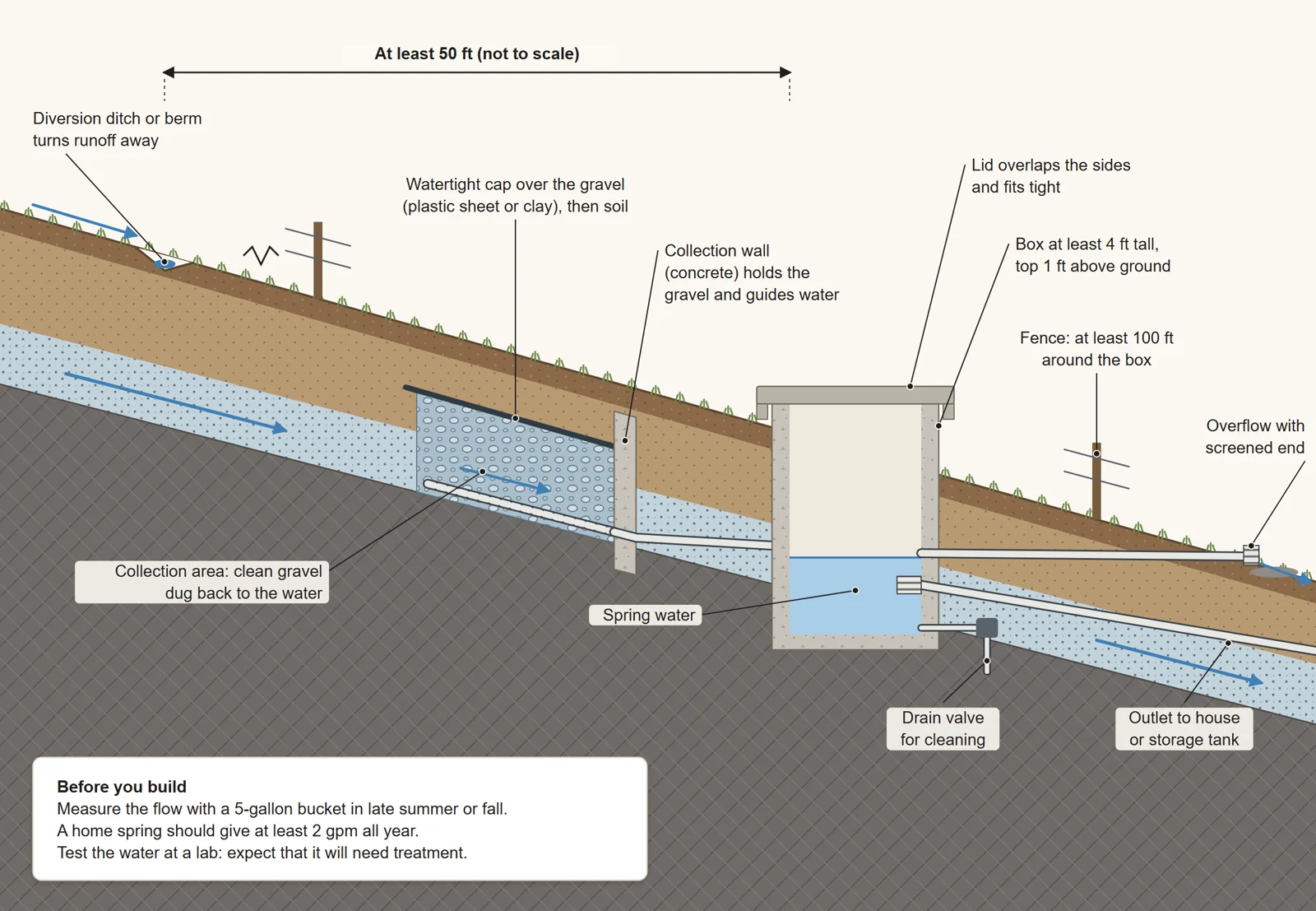
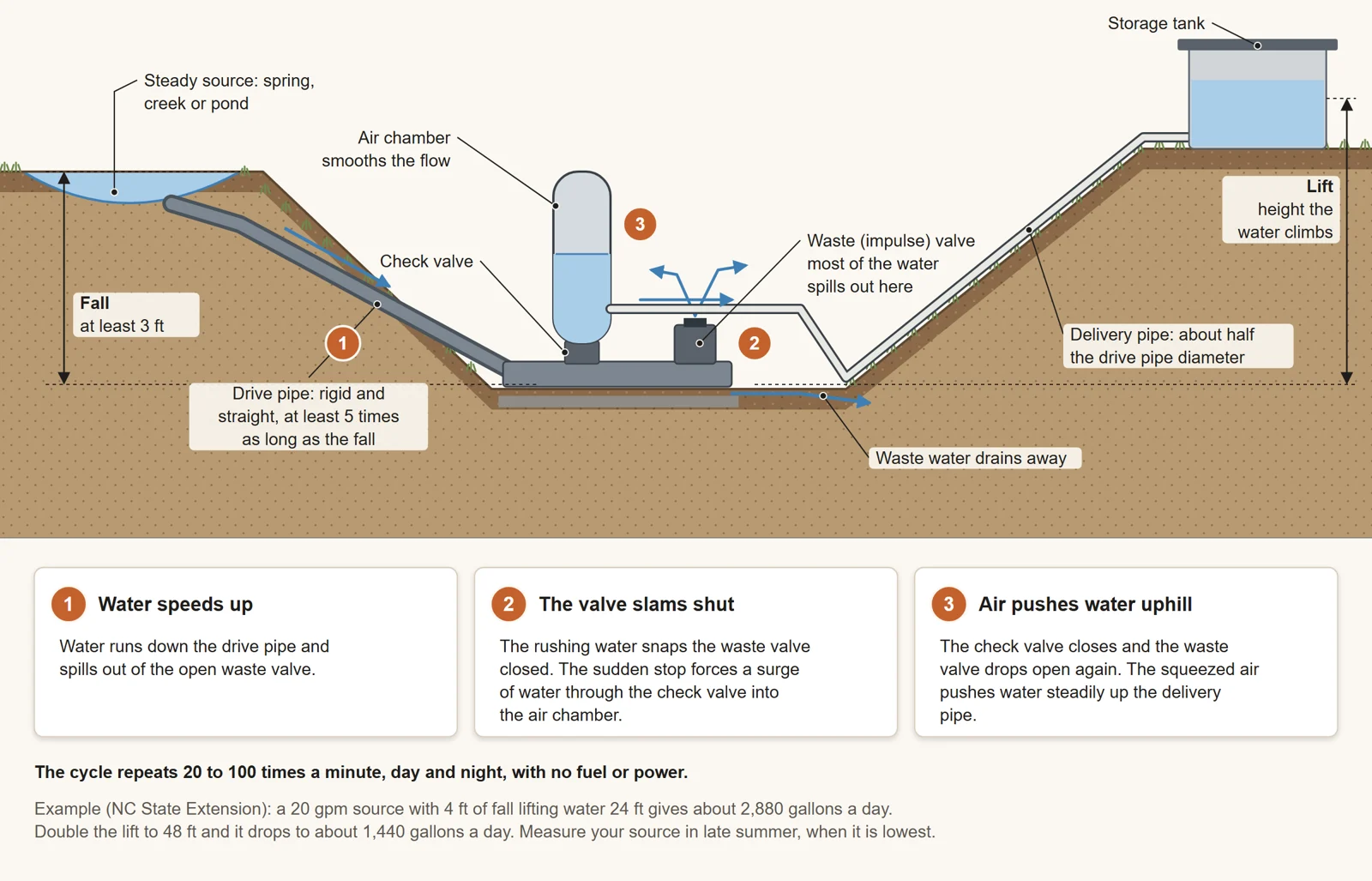
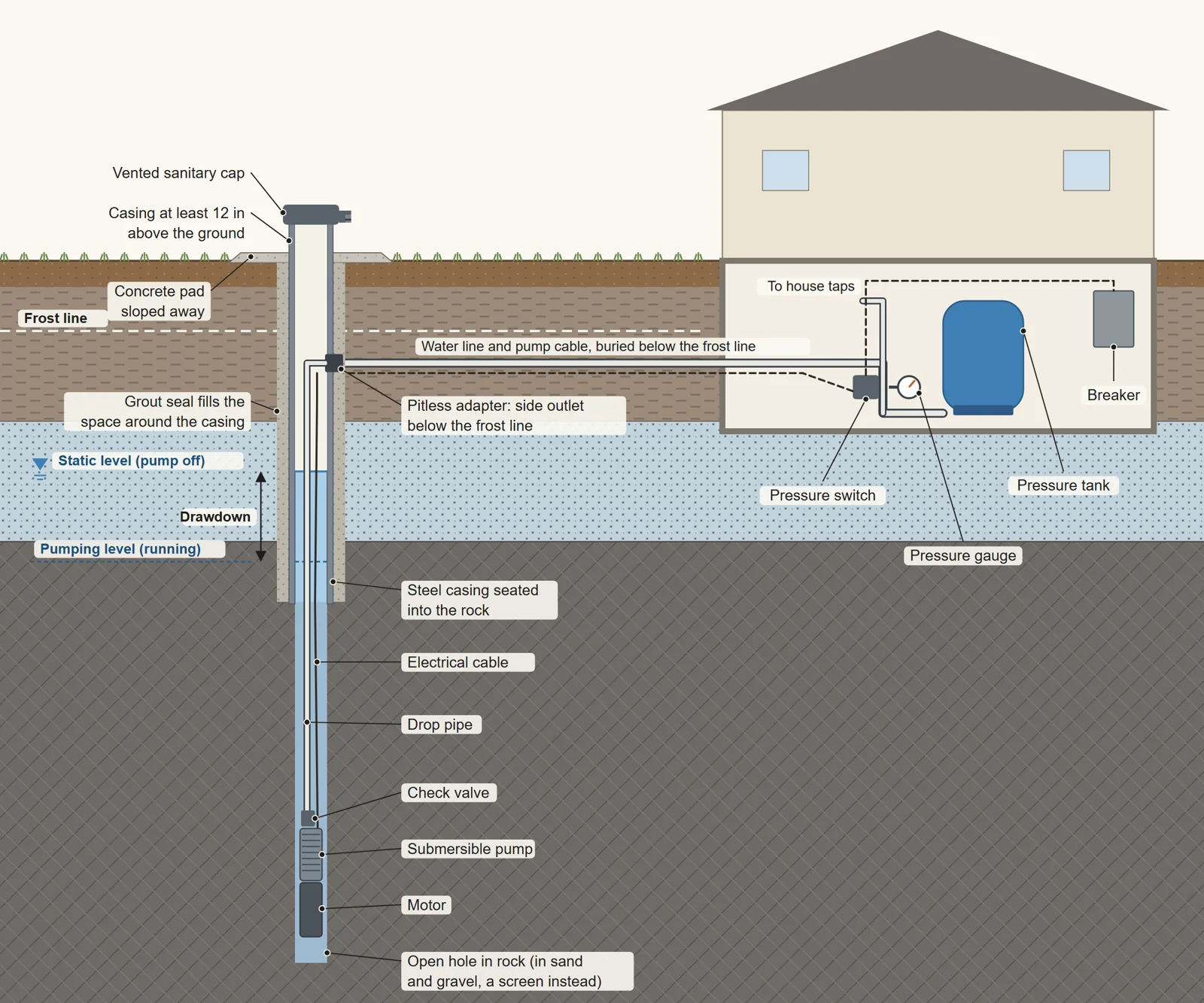
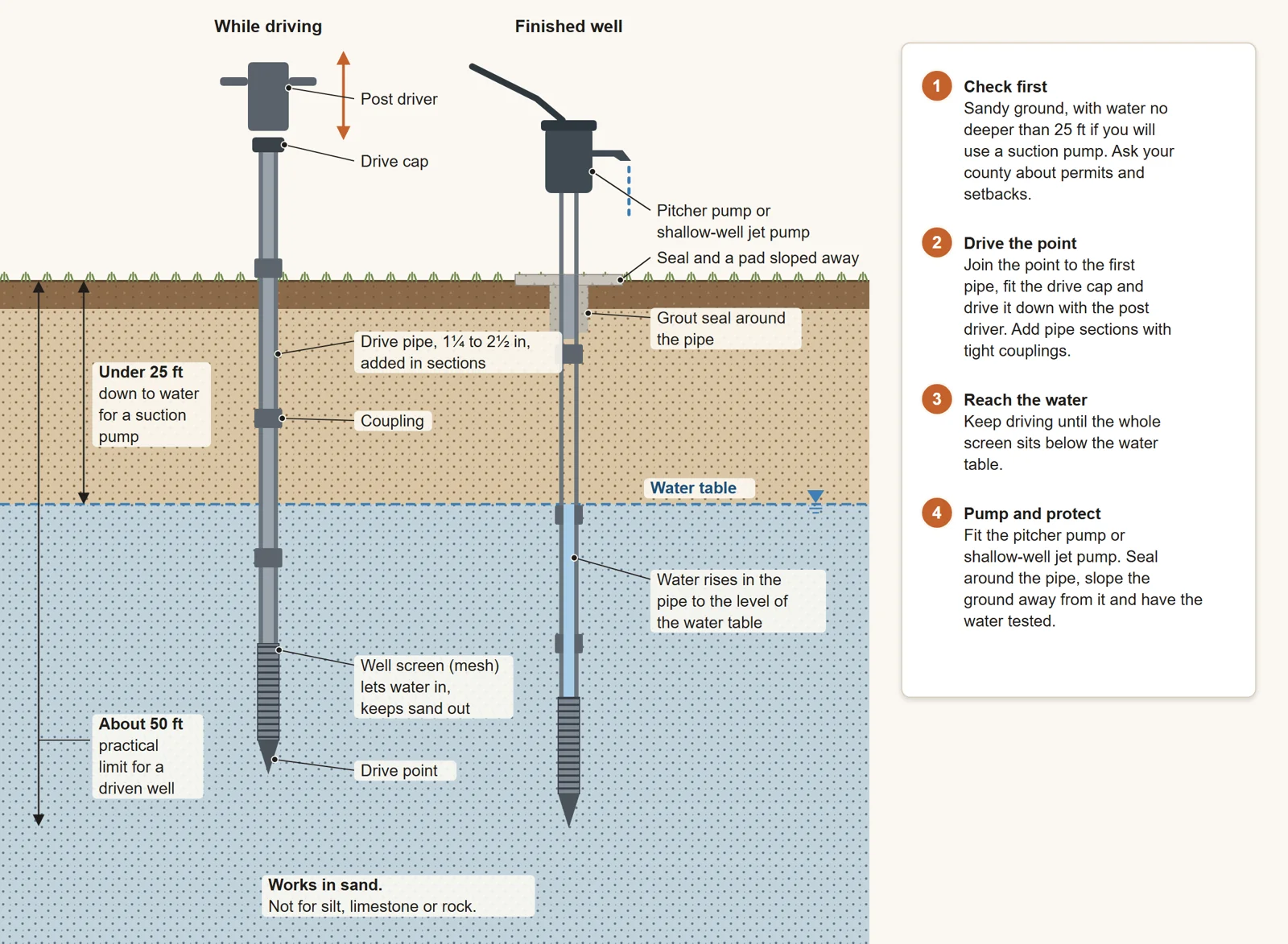
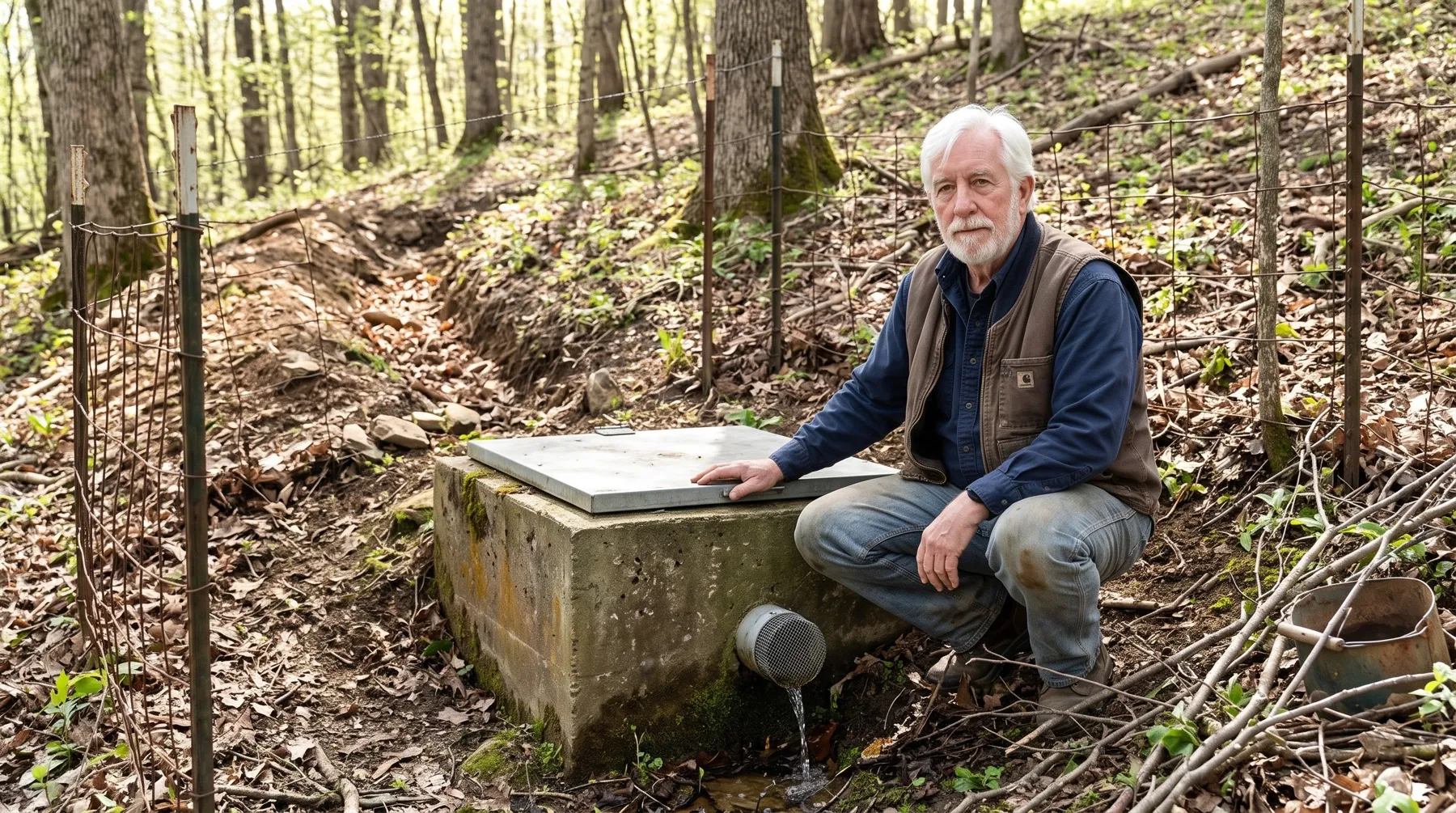
Six low-cost ways to reach shallow water, step by step: sand point, hand-dug well, spring box, hillside seep, ram pump and rain backup. When a drilled well is the only answer, you'll know exactly how to hire one.
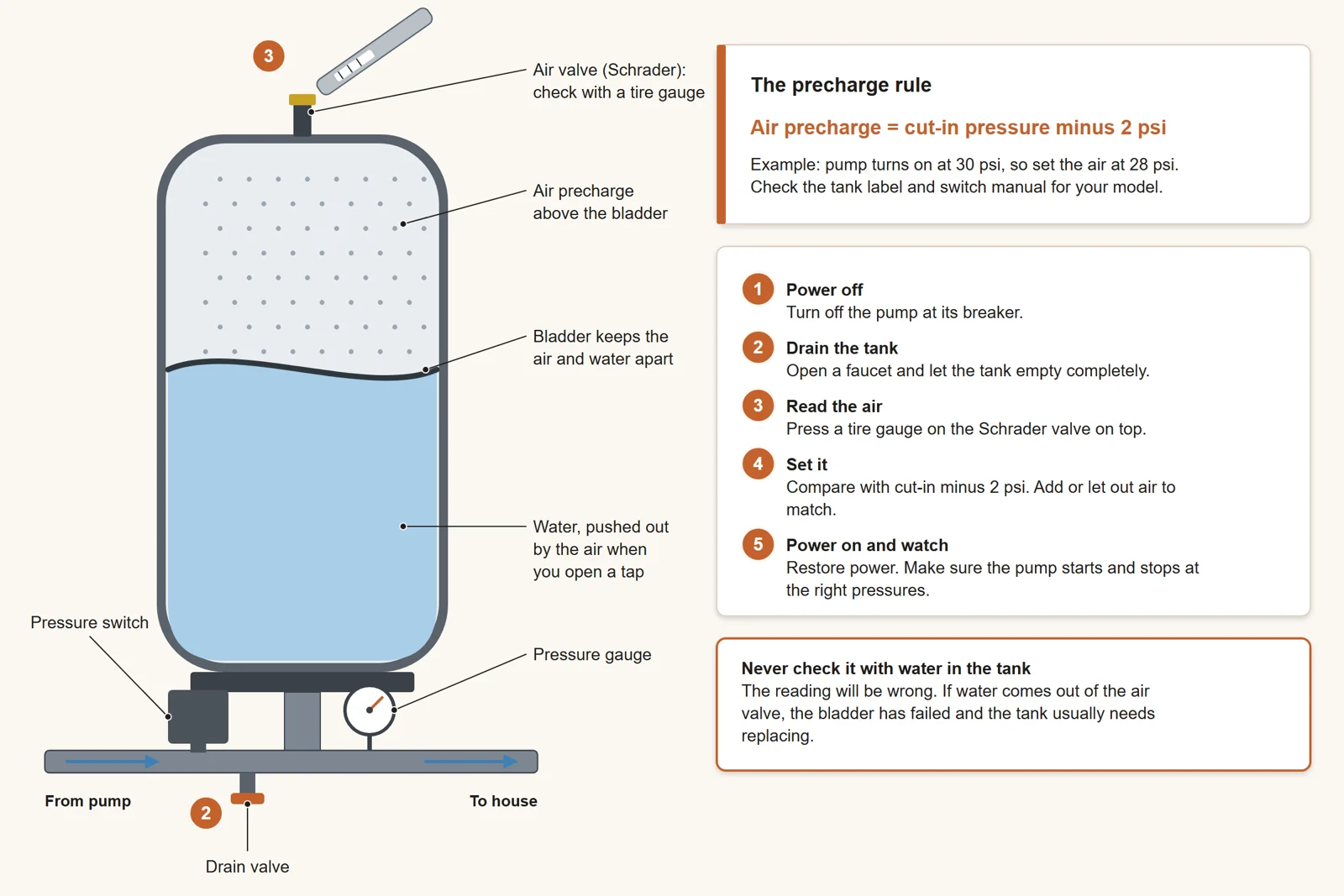
Find your symptom, follow it to the likely cause and the safe check, and know whether to grab a tire gauge or pick up the phone. Plus testing, chlorinating, dry spells and help programs.
Appendices: plain-English glossary · personal well log · annual maintenance checklist · how to find your state agency and lab
Large, readable type. Numbered steps. Safety boxes you can't miss. Checklists you can print and take outside.


Caleb is the host of The Off-Grid Well Finder on YouTube, where landowners come to learn about springs, shallow wells, ram pumps and keeping a well healthy. This manual collects those lessons, checked against official sources and organized into one book you can keep by the pressure tank.
"Diagnose before you spend. Most of the money lost on water is lost on fixing the wrong problem."

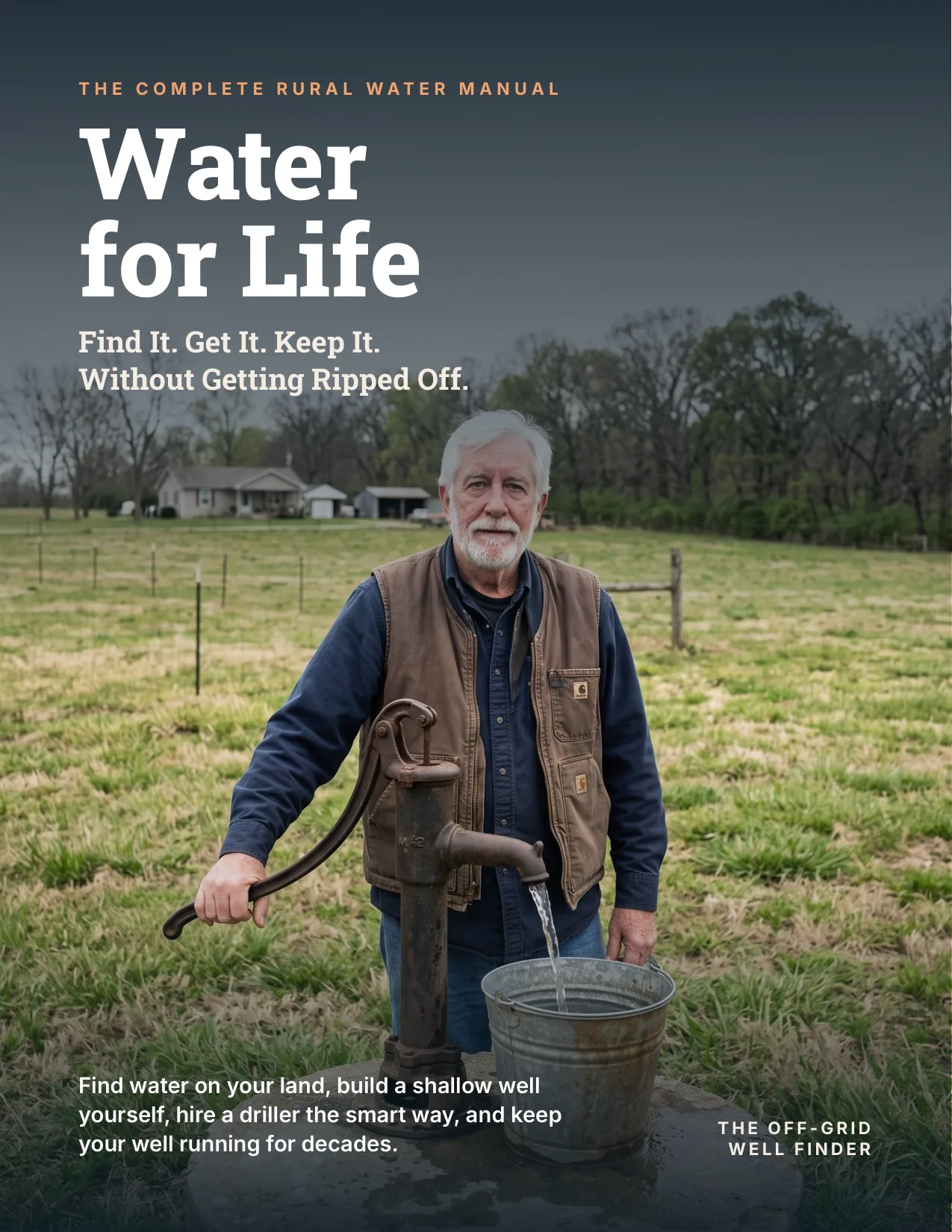
The Complete Rural Water Manual
One payment. Yours to keep, print and reread.
Secure payment by Stripe · Card, Apple Pay, Google Pay
Instant download after checkout · Works on any computer, tablet or phone
It's a digital book (PDF) that you download right after checkout. It's laid out at US Letter size with large type, so it prints cleanly at home or at any print shop, and the checklists are designed to be printed.
Yes. Part One is about finding water on your land and Part Two about getting it out of the ground, by yourself where the ground allows it and through a driller where it doesn't. Part Three becomes useful the day you have a well.
Part Three is built for you: a symptom-by-symptom breakdown tree, the pressure-tank check, step-by-step shock chlorination, testing schedules, dry-well options and the help programs for rural homeowners.
The methods work anywhere. The rules (permits, who may build, setbacks) change by state and sometimes by county, so instead of pretending one rule fits everyone, the book shows you how to find your state's rules quickly and gives real examples from several states.
For shallow water in the right ground, often yes: sand points, springs and seeps are within reach of a handy landowner, and the book is honest about where each method works and where it doesn't. Deep drilled wells are a job for a licensed driller, and the book shows you how to hire one well.
No book can promise that, and you should be wary of anyone who does. What it does is teach you to read the public records and the land itself, so you can make a far better bet and know your likely depth before you pay anyone.
You'll get a download link right after checkout, plus a copy by email.
Know where it is, how to get it, and how to keep it, before anyone sends you a bill.
Get the manual · $32